
small-conexus-logo
  • About us
      For
    • Who we are
    • Structure
    • EU-CONEXA
    • Cooperations & Partnerships
    • Documents & Policies
  • News
  • Events
  • Calls
  • Projects
  • Contacts

FOR


  • Students
      For For Students
    • Studies
    • Mobility
    • Campus life
  • Researchers
      For For Researchers
    • Contact Point for Technology Transfer and Innovation (CONTI)
    • Project Development Support
    • Research Facilities
    • Research & Innovation Information System
    • PhD and postdoc opportunities
    • Joint Research Area
    • Scientific Journals & Publications
    • Mobility
    • Calls
  • Teaching staff
      For
    • EU-CONEXUS Project Development Support Office (PDSO)
    • ODSO services
    • Call for visiting teachers
    • Mobility
    • Contact Point for Technology Transfer and Innovation (CONTI)
    • Calls
  • Schools
      For
    • School Contest
    • Cooperation Opportunities
  • Administrative staff
      For For Staff
    • Mobility opportunities
    • Calls
  • Stakeholders
SMART CAMPUS
Search Search
Version for disabled
SMART CAMPUS
Search Search
logo

The return of the Phages! Bacteriophage therapy 2.0
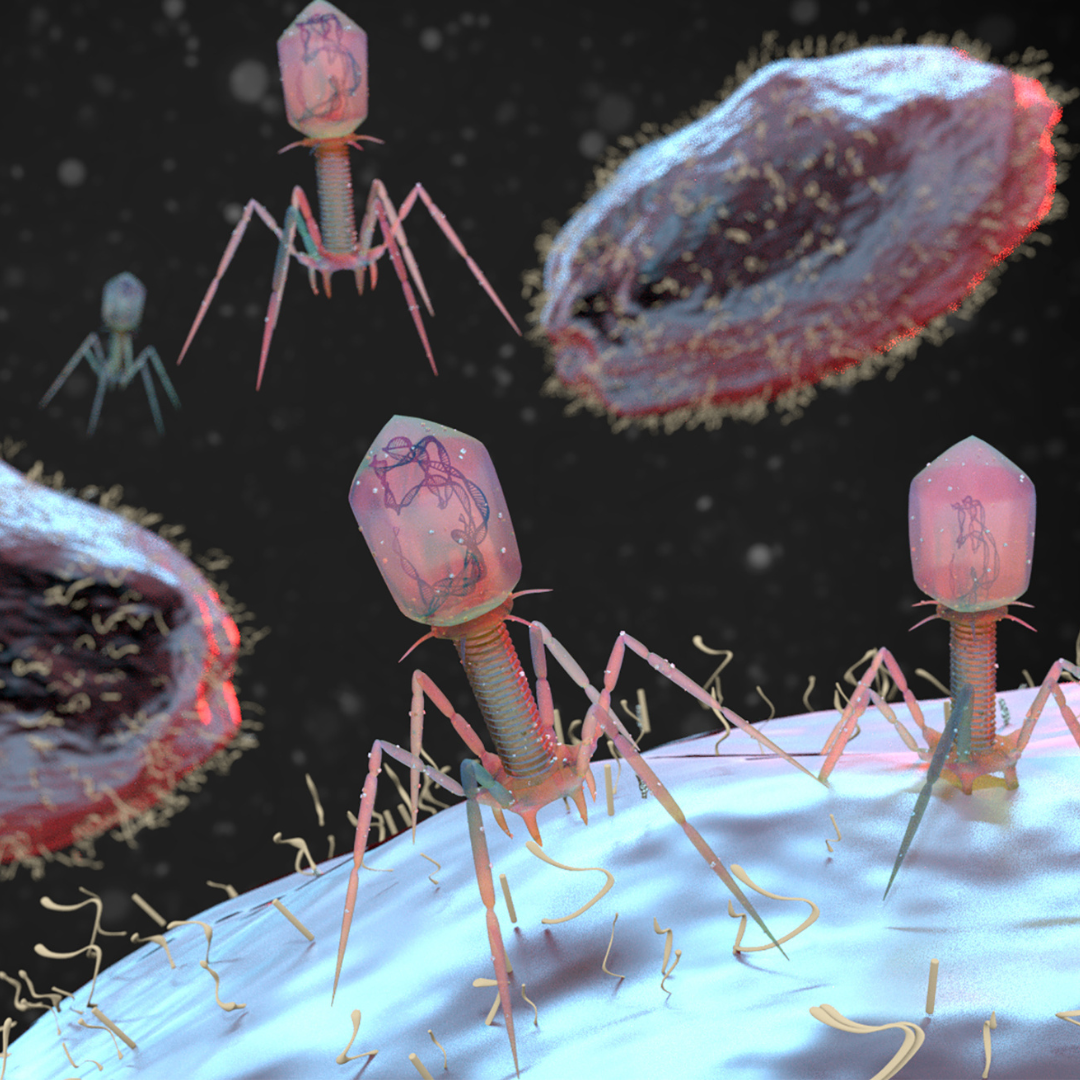
The return of the Phages! Bacteriophage therapy 2.0

The return of the Phages! Bacteriophage therapy 2.0

Bacteriophages or for short phages, are viruses infecting explicitly bacteria, thus their interest as antimicrobial agents has increased during the last decade as bacterial resistance to antibiotics has risen. Despite the early recognition of their therapeutic potential and the current escalation of multidrug-resistant (MDR) pathogens, the adoption of bacteriophages into mainstream clinical practice is hindered by unfamiliarity with their basic pharmacokinetic (PK) and pharmacodynamic (PD) properties, among others. Given the self-replicative nature of bacteriophages in the presence of host bacteria, the adsorption rate, and the clearance by the host’s immunity, conventional approaches cannot estimate their PK/PD characteristics, and thus, introducing new considerations is required. Furthermore, the multitude of different bacteriophage types, preparations, and treatment schedules impedes drawing general conclusions on their in vivo features. Additionally, the drawback of acquired bacteriophage resistance of MDR pathogens with clinical and environmental implications should be considered. In this seminar, we will explore a historical flashback of bacteriophages and their ongoing research for optimization as well as various considerations of this top technology of modern biotechnology. Currently, available data merit close scrutiny and optimization of bacteriophage therapy in the context of a better understanding of the underlying applied principles is urgent to improve its therapeutic effect and to minimize the occurrence of bacteriophage resistance.

Apply

Scientific Domain:

Life Science and Biotechnology

Presenter:

Dimitrios Skliros

University:

Agricultural University of Athens (AUA)

Date of presentation:

27/01/2025

Time of presentation:

16:30 – 17:30 CET

See us

Info

  • Who we are
  • Visual identity
  • FAQ

Policy

  • Privacy policy
Facebook link Instagram link Twitter link Linkedin link Youtube link
Eu Conexus Eu Conexus

© 2020 euconexus

all rights reserved

Eu Conexus

Disclaimer: Funded by the European Union. Views and opinions expressed are however those of the author(s) only and do not necessarily reflect those of the European Union or European Commission and EU executive agencies. Neither the European Union nor the granting authority can be held responsible for them.

  • Historical development of identity verification in Australian betting by Betzoid Australia
  • How Betzoid Examines German Football League Statistical Patterns
  • Understanding Football Betting Regulations Worldwide Through Betzoid's Educational Approach
x
Field is required.